The Long Way Round to Help: Somerset Appointments When You Don't Drive
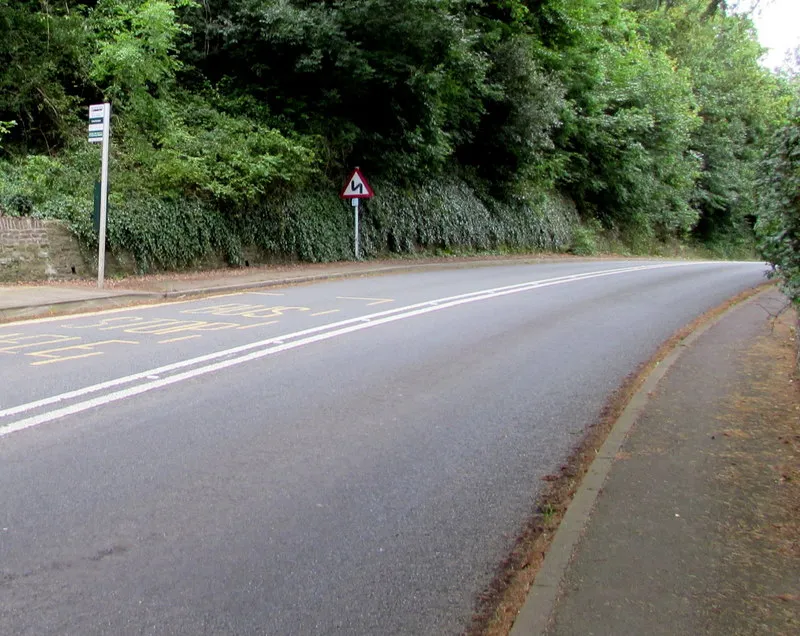
Photo: Jaggery , CC BY-SA 2.0, via Wikimedia Commons
Somerset can be beautiful and impractical in the same breath. A ten-minute car journey to a GP surgery can become two buses, a long wait and a taxi you cannot afford. When you are already low on energy, that can be enough to make you cancel. It should not be the reason you go without help, but it often is.
Start with the appointment, not the timetable
Appointment systems often default to the times that suit the building, not the bus timetable. You can ask for adjustments. Try: 'I don't drive and the first bus gets me in at 10.40. Is there a later appointment?' Or: 'Is a phone or video appointment possible?' Or: 'Can I go on the cancellation list for afternoons?' If you need someone with you, ask whether they can come in. If you are disabled or housebound, ask about reasonable adjustments, including home visits where clinically appropriate. Not every appointment can be remote, but you are allowed to ask.
It also helps to say what the barrier is. 'The only bus back is at 2.15 and the appointment is at 2.30' is useful information. Receptionists cannot fix a route, but they can often move a slot.
Check the route before you commit
Use Traveline South West and the operator's own app or website. Timetables change, especially at weekends, on bank holidays and in winter. Do not rely on memory. If you can, do a practice run or check where the bus stop actually is. Allow a buffer. The bus may be late, you may need the loo, you may need to sit down before you go in. Keep a screenshot of the return times so you are not squinting at a phone screen in the rain.
If anxiety about travelling is part of the problem, say so. A friend can ride with you, or you can practise the journey on a quieter day. Sit near the driver if that helps. Headphones, water and a charged phone are small things that make a difference.
Concessionary passes and fare help
In England, eligible older people and disabled people can get a concessionary bus pass through Somerset Council. It usually gives free off-peak travel on local buses, but peak times and some services are excluded, so check what your pass covers before you rely on it. If you have a disability pass, ask whether a companion can travel with you; rules vary.
For hospital treatment, the NHS Healthcare Travel Costs Scheme may refund some travel if you are on certain benefits or a low income. It is not usually for routine GP appointments. Ask the hospital or clinic, keep your tickets and receipts, and do not assume you will be turned down until you have checked. Some charities and support groups also have small travel funds or can meet you closer to home. Ask them directly.
Community transport and volunteer drivers
Somerset has community transport schemes, including volunteer car drivers, dial-a-ride services and minibuses. They are not a taxi service and usually need to be booked ahead. Somerset Council's transport pages are the place to start; your parish council, local library or village agent may know the scheme nearest you. When you call, have your appointment time, address and phone number ready. Ask about cost, whether they can wait, and what happens if the appointment overruns.
When the route simply does not exist
Some villages have no useful bus. If that is you, tell the service. Say: 'I can't get to that appointment by public transport. Is there an outreach clinic, a telephone review, or another site I can reach?' Ask whether the appointment can be moved to a community hospital or health centre on a bus route. Ask your GP surgery about reasonable adjustments under the Equality Act if disability or health makes travel impossible. Services cannot fix what they do not know about.
If cost is the sticking point, tell the receptionist or clinician. They may not be able to pay your fare, but they can sometimes refer you to a social prescribing link worker, a local charity or a support group that can help. The same goes for counselling and support groups: ask whether they have a bursary, a closer venue or a phone option.
Make a plan B before you need it
Write down who you can call if you miss the bus, whether there is a waiting room you can use, and whether you can join by phone if you are running late. If you have to cancel because of transport, say why. 'I couldn't get there' is not a no-show; it is information. You are allowed to ask for help with getting to help. That is not a fuss. The bus fare to better should not be the thing that keeps you stuck.