Sandbags by the Door, Not in Your Head: A Calm Approach to Wet-Weather Worry in Somerset
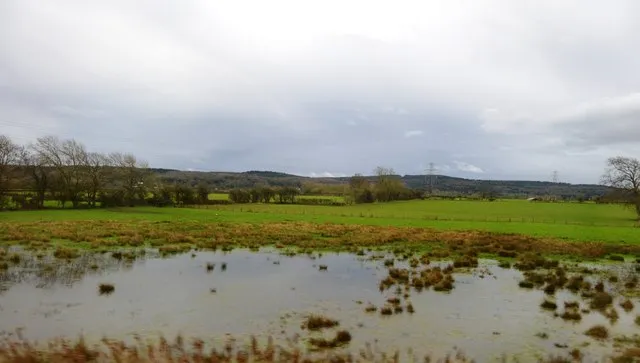
Photo: N Chadwick , CC BY-SA 2.0, via Wikimedia Commons
Somerset weather has a way of getting personal. For plenty of people across the Levels, the Moors and the towns along the Parrett and the Brue, a wet forecast is not small talk. It is a body memory. You can be years past the last time water came near your door and still feel your shoulders lift when the rain starts sideways.
This is not a lecture about staying calm. It is a practical, non-judgemental look at what to do when the forecast stops being background noise and starts running the day. Because there is a difference between being prepared and being pinned to the window.
Why the forecast lands harder here
Somerset is beautiful and it is also low-lying. Rivers, rhynes, drainage channels and roads all do their own thing when the rain settles in. If you have watched water creep across a lane, stood in a kitchen listening to it under the door, or spent a week wondering whether the electricity would hold, then a yellow warning is not abstract. It is a trailer for something your body already knows.
That does not mean you are overreacting. It means your brain has learned that uncertainty can be expensive. The trouble is that the same system that warns you also keeps you awake at 2am refreshing a river gauge. The aim is not to switch the concern off. It is to give it a job, a shape and a finishing time.
The difference between a plan and a spiral
A plan has steps and an end point. A spiral has tabs.
Useful preparation looks quite boring, which is the point. Check your flood risk on the government flood information service. Sign up for Environment Agency flood warnings so the official message comes to you rather than you going looking for it. Know where your local council and Somerset Rivers Authority share updates. Move the things you would hate to lose upstairs or into a high cupboard. Keep a small bag with medication, phone charger, torch, spare keys and a copy of important numbers. Check your insurance details before you need them, not during.
Then stop. Write the next action on paper if that helps. Tell someone you trust that you have done it. A plan should lower the temperature in the room. If the preparation is making you more wound up, you have probably crossed from planning into rumination.
When checking becomes the thing you do
You know the loop. The river level graph. The weather app. The local Facebook group. The radar. The graph again. It feels like doing something, but it usually leaves you more frightened and no better prepared.
Try giving the checking a container. One official check in the morning and one in the evening is plenty for most people. Keep the official flood warning service switched on, because that is the one that is meant to interrupt you. Mute the apps that speculate, the ones that refresh every ten minutes and make the sky feel like a live event. If you live with someone, share the checking job so it is not one person's private night shift. A forecast is information, not a verdict.
Settling the body when the sky is noisy
Your body may react before the rational bit catches up. That is normal. When your chest goes tight, try something physical rather than trying to solve the whole winter in your head. Put both feet on the floor. Name five things you can see. Make the out-breath a little longer than the in-breath. Hold a warm mug. Walk around the kitchen. Text someone and say the weather is doing your head in.
Keep the basics as steady as you can: meals, daylight, sleep, medication, movement. If wet-weather worry is affecting your sleep for weeks, or you are avoiding leaving the house even when the forecast is fine, talk to your GP. Anxiety that attaches itself to the weather is still anxiety, and it is treatable.
The people who already know your street
One of the good things about Somerset is that people tend to know where the water goes. Local Flood Action Groups, parish councils, neighbours and volunteers often have practical knowledge that no app can match. If you are new to an area, ask someone who has been there a while. If you are the person everyone asks, you are allowed to say you are not coping with the responsibility on your own.
For mental health support, Mind in Somerset offers local information and services. Somerset NHS Talking Therapies can be accessed through your GP or self-referral. Samaritans are on 116 123, free, day or night. It is okay to say to a professional, the weather is making me anxious. You will not be the first person in Somerset to say it.
A small wet-weather plan
- Choose two trusted sources for flood information and ignore the rest when your head is full.
- Put a written plan on the fridge: who to call, where the bag is, what goes upstairs first.
- Pack a shoebox of essentials, not a survival bunker.
- Tell one person your plan so you are not carrying it alone.
- Book one ordinary nice thing for the week, whatever the forecast says.
- Set a stop-checking time in the evening and stick to it as best you can.
- If the worry is bigger than the weather, contact your GP, Mind in Somerset or Somerset NHS Talking Therapies.
The weather will do what it does. You do not have to meet it with perfect calm. Just with a plan, a few people around you, and permission to stop refreshing the page.